
Unmasking the truth Debunking popular myths in gambling
The Luck Factor in Gambling
Many people believe that gambling is primarily based on luck, leading to the common misconception that anyone can win big at any time. While luck does play a role in games of chance, the reality is that skill and strategy often determine long-term success. For example, poker combines luck with psychological insights and strategic decision-making, where players must read their opponents and manage their bankroll effectively to thrive in the long run. If you’re seeking fast withdrawal betting sites, it’s crucial to consider how these factors influence your overall experience.

Moreover, many games have a built-in house edge that skews the odds against players. Slot machines, for instance, might seem random, but they are programmed with specific payout percentages that ensure the casino profits over time. Understanding this can help players approach gambling with more realistic expectations, reducing the belief that a big win is just a matter of chance.
In essence, while luck can influence the outcome of individual bets, having a well-rounded understanding of the games you play and employing effective strategies can enhance your chances of success. By acknowledging that skill and knowledge are equally important, gamblers can cultivate a more informed and realistic perspective on their gaming experiences.
The Myth of the Gambler’s Fallacy
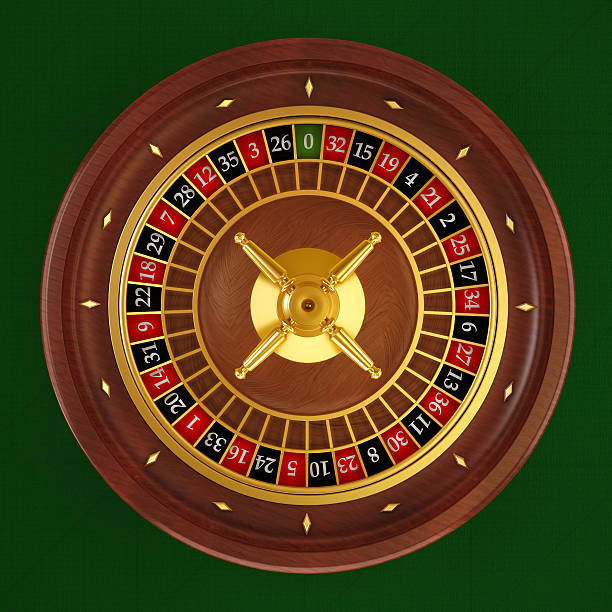
The gambler’s fallacy is a widely held belief that past events can influence future outcomes in random games. For instance, if a roulette wheel lands on red several times in a row, some players might assume that black is ‘due’ to come up next. This misconception overlooks the fact that each spin is an independent event, and the odds remain constant regardless of previous results.
This fallacy can lead to poor decision-making and significant losses, as players chase the idea of ‘balancing’ the odds. In reality, understanding probability and how it applies to gambling can help mitigate the effects of this fallacy. A rational approach to betting means recognizing that every event is separate and that the outcomes do not influence one another.
Ultimately, debunking the gambler’s fallacy can empower players to make more calculated decisions. By focusing on the inherent probabilities rather than superstitions tied to past results, gamblers can enjoy a more grounded and thoughtful approach to their gaming strategies.
The Illusion of Control in Gambling
A common myth in the gambling world is the belief that players can somehow control or influence the outcome of a game, especially in games of chance. Some gamblers may use rituals, lucky charms, or specific betting patterns in hopes of swaying the odds in their favor. However, this mindset is largely misguided, as most casino games operate on random number generators or fixed probabilities.
For example, in games like blackjack or roulette, the outcome is determined by factors beyond the player’s control. While skill and strategy can influence decisions in some games, the underlying randomness means that players cannot manipulate the results in their favor. This misconception can lead to frustration and an inevitable cycle of losses, as players chase after an illusion of control that simply doesn’t exist.
Recognizing the limitations of one’s influence can foster a healthier attitude toward gambling. Instead of relying on superstition or misguided strategies, players can focus on enjoyment, understanding the games better, and managing their bankroll effectively. This shift in perspective allows for a more enjoyable experience while minimizing the risks associated with gambling.
The Impact of Myths on Gambling Behavior
The prevalence of myths in gambling culture can significantly shape player behavior and attitudes towards casinos and betting. Many individuals may enter a casino with preconceived notions about what constitutes a ‘winning strategy’ or how to maximize their chances of success. These beliefs can often lead to unrealistic expectations and poor choices, contributing to negative gambling experiences.
For instance, the idea that certain slots are ‘hot’ or ‘cold’ can lead players to make ill-informed bets based on emotion rather than logic. When players believe they can predict outcomes based on patterns or streaks, they may ignore important principles of game design, such as the random nature of these machines. This behavior often exacerbates losses and reinforces harmful gambling habits.
Educating gamblers about these myths is essential for promoting responsible gaming practices. By providing accurate information and dispelling common misconceptions, players can approach gambling with a clearer mindset. This shift not only enhances their overall experience but also encourages a more responsible attitude towards risk and reward in their gambling activities.
Exploring Responsible Gaming Practices
Our website serves as a comprehensive resource for gamblers looking to deepen their understanding of the gambling landscape. We are committed to fostering an informed community where players can find accurate information on various games, strategies, and the cultural impacts of gambling. By addressing the myths that often surround the industry, we aim to create a safer and more enjoyable environment for all gamblers.
In addition to debunking common misconceptions, our platform provides insights into responsible gaming practices. We emphasize the importance of setting limits, understanding the odds, and recognizing when to take a break. By prioritizing education and informed decision-making, our goal is to empower players to make choices that enhance their gaming experience while safeguarding against potential pitfalls.
Ultimately, our focus is not just on the thrill of gambling but on cultivating a responsible approach that aligns with the diverse needs of our community. With expert analysis and a commitment to transparency, we strive to be a trusted source for both newcomers and seasoned players in the ever-evolving world of gambling.
